
Crossing the continent involves understanding diverse terrains and evolving mechanical traditions.
Journey through the diverse landscapes of the United States

From coastal highways to desert routes and mountain passes
The classic road trip remains a quintessential experience, weaving through the red rocks of Arizona and the misty forests of the Pacific Northwest. Travelers on Route 66 encounter neon-lit diners and vintage motels that serve as living museums of a bygone era, while modern adventurers seek the solitude of national parks accessible only by rugged 4×4 trails, requiring vehicles equipped for uneven ground and steep inclines.
Beyond the nostalgia, the Interstate Highway System connects bustling metropolises like Chicago and Los Angeles with remarkable efficiency. Navigating these arteries reveals the sheer scale of the continent, where changing time zones and climates challenge drivers.
Engineering power and aesthetics
Detroit legacy meets modern performance standards
Iconic designs shaping the global automotive industry
Preserving heritage while embracing new aerodynamic standards and efficiency
The rumble of a V8 engine represents more than just mechanical output; it signifies a cultural attachment to raw power and torque. Enthusiasts restore classic Mustangs and Corvettes, meticulously sourcing original parts to maintain authenticity, while engineers today refine these silhouettes to reduce drag without losing the aggressive stance that defines American muscle, blending historical visual cues with contemporary wind-tunnel testing results.
Pickup trucks dominate the heartland, evolving from purely utilitarian workhorses into luxury vehicles equipped with advanced towing technologies. Manufacturers now integrate lightweight aluminum bodies and turbocharged powertrains, proving that durability can coexist with improved fuel economy on ranches.
Essential vehicle maintenance protocols
Preventive care ensures longevity and reliability for long-distance travel and daily commutes, reducing the risk of sudden mechanical failure on isolated roads.
Fluid level checks
Monitoring oil and coolant prevents severe engine overheating during summer drives.
Brake system inspection
Worn pads compromise stopping distances on steep descents or wet surfaces.
Tire pressure monitoring
Proper inflation reduces blowout risks on hot highways and saves fuel.
Battery health testing
Cold cranking amps matter significantly during harsh northern winter mornings.
Air filter replacement
Clean intake flow improves combustion efficiency and maximizes engine power output.
Suspension alignment
Correct geometry prevents uneven tread wear and vibration at high speeds.
The future of sustainable mobility
Technological advancements redefine how vehicles interact with infrastructure and the environment
Electric powertrains
Zero emission driving
Lithium-ion battery packs now offer ranges exceeding 300 miles, supported by a growing network of rapid charging stations along major corridors. This shift reduces reliance on fossil fuels significantly.
Autonomous sensors
Enhanced safety features
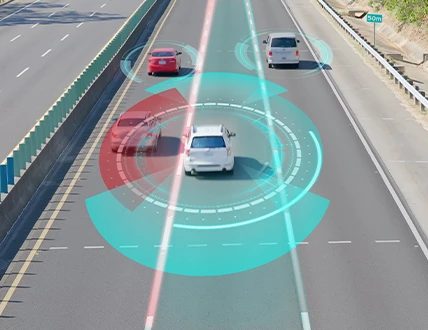
LiDAR and radar systems continuously scan the perimeter, allowing on-board computers to predict hazards and assist with highway lane keeping. These tools reduce human error in complex traffic scenarios.
Connected cities
Smart traffic management
Traffic signals communicate directly with vehicles to optimize flow, reducing congestion in dense urban centers like New York or San Francisco. This data exchange smooths transit for everyone.
Transportation and logistics networks
Freight management systems
Digital tracking ensures real-time visibility for cargo moving across state lines.
Intermodal supply chains
Seamless transfer between rail, sea, and road optimizes global shipping timelines.
Fleet optimization tools
Data analytics help managers reduce idle time and fuel consumption for trucks.
Last mile delivery
Automated routing algorithms speed up the final step to residential doorsteps.
Advanced driver safety standards and practices
Prioritizing occupant protection through technology and education
Modern drivers benefit from rigorous safety protocols that combine technology with specialized training to reduce risks on the road. The integration of advanced driver-assistance systems, such as automatic emergency braking, lane departure warning, and adaptive cruise control, helps prevent numerous accidents. At the same time, awareness campaigns and ongoing training programs encourage the adoption of safe driving behaviors, such as maintaining proper following distances, anticipating the movements of other road users, and managing fatigue effectively. Regular vehicle maintenance and adherence to safety standards are also essential for ensuring reliable and secure driving. Together, these practices, reinforced by a culture of constant vigilance, contribute to creating a safer road environment for everyone.
Defensive driving techniques
Anticipating errors from other motorists remains the primary defense against collisions. Instructors emphasize maintaining safe following distances, especially during adverse weather events like heavy rain or snowstorms common in the Rockies.
Passive safety systems
Modern chassis designs incorporate crumple zones that absorb impact energy effectively. Inside the cabin, multiple airbags and pretensioning seatbelts work in unison to secure passengers milliseconds after a crash is detected.
Evolving regulatory landscape
Federal agencies continuously update safety mandates and emission targets, pushing manufacturers to innovate. These regulations shape the next generation of vehicles, ensuring they meet strict environmental criteria while delivering the performance expected by consumers, fostering a cleaner and safer transportation ecosystem across the nation.