
American cars represent far more than mere transportation—they embody a distinct philosophy of automotive design, engineering, and cultural identity. From the roaring V8 engines that define muscle cars to the commanding presence of full-size pickup trucks, vehicles manufactured in the United States have shaped global automotive trends for over a century. Understanding what makes American cars unique requires exploring their historical roots, distinctive characteristics, and the innovative spirit that continues to drive the industry forward.
Whether you’re captivated by classic muscle cars, intrigued by modern electric innovations, or simply curious about why American vehicles differ so dramatically from their European and Asian counterparts, this comprehensive exploration will provide you with the essential knowledge to appreciate the American automotive landscape. We’ll examine the engineering choices, design philosophies, and market forces that have created some of the world’s most recognizable vehicles.
The American automotive story begins with mass production innovation that revolutionized global manufacturing. When Henry Ford introduced the assembly line production method, he didn’t just create an efficient way to build cars—he democratized automobile ownership and established principles that would define American automotive manufacturing for generations.
The post-war period saw American automakers dominate with chrome-laden designs featuring powerful engines and spacious interiors. The muscle car era emerged as a uniquely American phenomenon, combining affordable pricing with high-performance V8 engines. Models like the Ford Mustang, Chevrolet Camaro, and Dodge Charger became cultural icons, representing freedom, power, and youthful rebellion. These vehicles prioritized straight-line acceleration and dramatic styling over the handling-focused approach favored by European manufacturers.
Recent decades have witnessed American automakers adapting to changing consumer preferences, environmental regulations, and global competition. The industry has shifted focus toward fuel efficiency, safety technology, and electrification while maintaining the bold design language and performance heritage that defines American automotive identity. This transformation demonstrates resilience and innovation without abandoning core values that resonate with enthusiasts worldwide.
American cars possess identifiable traits that set them apart in the global marketplace. These characteristics stem from geographic realities, consumer preferences, and engineering philosophies unique to the North American market.
The preference for large-displacement V8 engines remains a hallmark of American automotive engineering. While European manufacturers often achieve power through turbocharging smaller engines, American engineers traditionally favor naturally-aspirated V8s that deliver substantial torque and a distinctive exhaust note. This approach reflects vast highway distances and historically lower fuel costs, creating vehicles optimized for effortless cruising rather than aggressive cornering.
American vehicles typically offer more generous dimensions than comparable foreign models. Full-size sedans, extended-cab pickup trucks, and three-row SUVs provide expansive interior room and cargo capacity. This sizing philosophy addresses practical needs: long-distance travel comfort, family transportation requirements, and the versatility demanded by diverse American lifestyles spanning urban, suburban, and rural environments.
Bold, assertive styling characterizes American automotive design. Where European cars often emphasize understated elegance and Japanese vehicles prioritize efficiency-driven aerodynamics, American designers create visually commanding presence through aggressive grilles, muscular body lines, and distinctive lighting signatures. This design approach communicates confidence and capability, appealing to buyers who view their vehicle as an expression of personal identity.
Several manufacturers have shaped the American automotive landscape, each contributing unique innovations and establishing distinct brand identities that resonate with different consumer segments.
Ford, General Motors, and Stellantis (formerly Chrysler) constitute the traditional foundation of American automotive manufacturing. Ford pioneered mass production and continues leading in pickup truck sales with the F-Series. General Motors operates multiple brands including Chevrolet, GMC, and Cadillac, serving diverse market segments from affordable transportation to luxury performance. Stellantis brands like Dodge and Jeep emphasize performance heritage and off-road capability respectively, occupying specialized niches within the broader market.
Tesla has redefined American automotive innovation by proving electric vehicles can deliver exhilarating performance, advanced technology, and practical range. The company’s direct-to-consumer sales model and over-the-air software updates have challenged traditional automotive business practices, forcing established manufacturers to accelerate electrification strategies and rethink customer relationships.
Certain vehicle types have become synonymous with American automotive culture, reflecting unique market preferences and practical requirements.

The real cost of a work truck isn’t its purchase price, but the hidden financial drains from over-speccing, inefficient cargo management, and overlooked maintenance liabilities. Diesel engines only become profitable after a specific mileage threshold, factoring in higher maintenance and…
Read more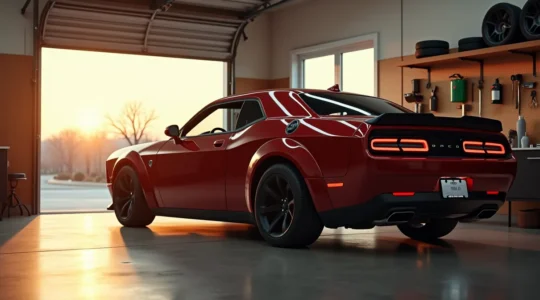
Choosing a daily-driver performance car is less about the spec sheet and more about honestly assessing its real-world compromises. Hidden costs, often called the “performance tax,” include significant insurance premium hikes, specialized maintenance, and rapid tire wear. Day-to-day practicality—such as…
Read more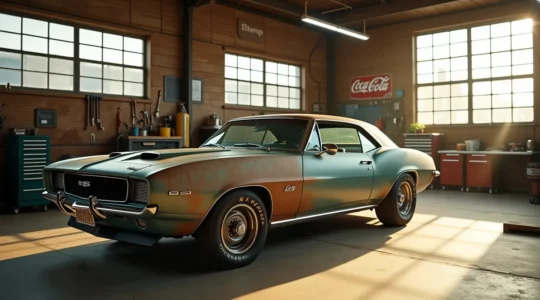
The secret to a successful budget Mustang restoration is prioritizing structural integrity over cosmetic perfection. Coupes offer a significantly cheaper entry point and lower parts costs compared to the more desirable fastback models. Embracing a “survivor aesthetic” with original patina…
Read more
The best towing engine isn’t the one with the highest horsepower, but the one with the broadest, flattest torque curve for sustained pulling power. A “flat” torque curve delivered at low RPMs provides effortless momentum and reduces strain on the…
Read more
The global auto market doesn’t just follow US trends; it’s being strategically reshaped by a uniquely American “regulatory moat.” Consumer preference for large vehicles, reinforced by stringent US-only safety tests, is forcing a global convergence toward heavier, more expensive designs….
Read more
Contrary to popular belief, the shift to efficiency in American cars wasn’t just about the oil crisis or building smaller engines. This analysis reveals it was a complex battle of engineering trade-offs, where every gain in MPG came with costs…
Read more