
Every vehicle represents a complex ecosystem of interconnected systems working in harmony. When properly maintained, a car, truck, or fleet vehicle can deliver reliable service for hundreds of thousands of miles. Yet the difference between a vehicle that thrives and one that fails prematurely often comes down to understanding the fundamental principles of maintenance and repair.
Whether you manage a single vehicle or oversee an entire fleet, mastering these core concepts empowers you to make informed decisions, prevent costly breakdowns, and maximize your investment. This comprehensive resource explores the essential practices that keep vehicles running efficiently, from preventive care strategies to diagnostic approaches, repair decision-making, and documentation methods that protect both safety and value.
Think of preventive maintenance as regular health checkups for your vehicle. Just as routine medical examinations catch potential problems before they become serious, systematic vehicle inspections identify wear patterns and developing issues while they’re still manageable and affordable to address.
Vehicle systems are deeply interconnected. A seemingly minor issue like low coolant levels can trigger a chain reaction: the engine runs hotter, gaskets deteriorate faster, oil breaks down prematurely, and internal components wear at accelerated rates. What begins as a simple fluid top-off can escalate into engine damage costing thousands. Preventive maintenance breaks this cascade by addressing small issues before they compound.
Modern vehicles operate on two primary maintenance schedules: time-based intervals and mileage-based intervals, whichever comes first. Oil changes might be recommended every six months or 5,000 miles, for example. This dual approach accounts for different usage patterns. A vehicle driven infrequently still experiences oil degradation from moisture accumulation and chemical breakdown, while high-mileage vehicles face accelerated wear from constant operation.
Key service intervals typically include:
Not all driving is created equal. Vehicles operating under severe service conditions require more frequent maintenance. These conditions include frequent short trips, extensive idling, trailer towing, dusty environments, extreme temperatures, or stop-and-go traffic. A delivery vehicle making dozens of stops daily experiences far more stress than a highway commuter traveling the same mileage. Recognizing your usage pattern and adjusting maintenance schedules accordingly can prevent premature component failure.
While preventive maintenance minimizes surprises, repairs remain inevitable as components reach their designed service life. Understanding the most common repair categories helps you anticipate needs and budget appropriately.
Certain components are designed to wear out and require periodic replacement. Brake pads, for instance, sacrifice themselves to protect more expensive rotors. Tires gradually lose tread depth. Wiper blades deteriorate from sun exposure. These consumables represent normal operational costs rather than failures. Planning for their replacement based on inspection findings prevents being caught unprepared.
Different vehicle systems have characteristic failure patterns. Cooling systems may develop leaks at hose connections or water pump seals. Electrical systems can experience alternator bearing wear or starter motor failures. Suspension components like ball joints and control arm bushings wear from constant flexing and load cycles. Familiarity with these patterns helps you recognize warning signs early.
For example, a rhythmic squealing that increases with engine speed often indicates serpentine belt wear or misalignment, while a grinding noise during braking typically signals worn brake pads requiring immediate attention. Learning to distinguish these acoustic signatures aids in early problem identification.
Time affects vehicles even when parked. Rubber components become brittle, seals dry out and crack, fuel degrades, and corrosion progresses. A ten-year-old vehicle with low mileage may still require extensive repairs simply due to material aging. This reality underscores why maintenance schedules include time-based intervals alongside mileage thresholds.
Modern vehicles communicate constantly through sensors and onboard computers. Effective diagnosis combines technological tools with systematic observation and logical deduction.
When a vehicle’s check engine light illuminates, the onboard computer has stored one or more diagnostic trouble codes (DTCs). These alphanumeric codes indicate which system triggered the warning. However, codes point to symptoms rather than definitive causes. A code indicating “oxygen sensor malfunction” might result from a faulty sensor, but could equally stem from vacuum leaks, fuel pressure issues, or exhaust leaks affecting sensor readings. Effective diagnosis uses codes as starting points for deeper investigation.
Professional technicians follow logical diagnostic paths. When investigating an engine misfire, they might sequence their checks as follows:
This methodical approach prevents the “parts cannon” problem where components are replaced randomly hoping to stumble upon the solution, wasting time and money.
Your senses provide valuable diagnostic data. Visual inspections reveal fluid leaks, worn belts, corroded connections, and damaged components. Unusual odors indicate specific problems: sweet smells suggest coolant leaks, burning odors point to overheating brakes or clutches, and sulfur smells may indicate catalytic converter issues. Tactile feedback through the steering wheel or pedals communicates imbalances, misalignments, and brake problems. Developing these observational skills enhances your ability to detect issues early.
Balancing quality, cost, and convenience represents one of the most challenging aspects of vehicle ownership. Strategic decision-making in this area significantly impacts long-term expenses.
The line between appropriate DIY maintenance and professional service depends on three factors: skill level, tool availability, and safety implications. Fluid changes, filter replacements, and basic inspections suit most DIY enthusiasts with modest tool collections. Complex diagnostics, transmission work, and safety-critical systems like brakes and suspension often warrant professional expertise, specialized equipment, and liability protection.
Consider the true cost of DIY work. Beyond parts, account for tool purchases, your time value, disposal fees for fluids, and the risk of errors requiring professional correction. Sometimes apparent savings evaporate when these factors are included.
The automotive aftermarket offers parts spanning wide quality and price ranges. Original Equipment Manufacturer (OEM) parts match factory specifications precisely but command premium prices. Quality aftermarket alternatives often perform comparably at reduced cost. Budget-oriented parts may offer acceptable performance for vehicles nearing end-of-life but prove false economies for vehicles you plan to keep long-term.
Critical safety components merit higher-quality parts. Brake components, suspension parts, and steering elements directly affect vehicle control and occupant protection. Economy parts may suffice for accessories and convenience features, but compromise cautiously on safety-related systems.
When facing expensive repairs on aging vehicles, you confront a pivotal decision: repair or replace? Compare the repair cost against the vehicle’s current value and likely future reliability. A transmission replacement costing four thousand dollars may make sense for a well-maintained vehicle worth fifteen thousand with otherwise sound systems. The same repair on a high-mileage vehicle with multiple developing issues might represent throwing good money after bad.
Comprehensive maintenance records serve multiple crucial functions: they guide future service timing, support warranty claims, enhance resale value, and help identify recurring problems suggesting deeper issues.
Effective maintenance logs capture key information for each service event:
Modern options for record keeping range from traditional paper logbooks to sophisticated fleet management software. Digital solutions offer searchable databases, automated service reminders, and cloud backup protecting against loss. However, they require consistent data entry and technical comfort. Paper systems provide tactile simplicity and independence from technology but risk damage or loss. Many vehicle owners find hybrid approaches most practical, maintaining digital primary records with paper backup copies.
When selling a vehicle, comprehensive service records demonstrate responsible ownership and justify premium pricing. Prospective buyers gain confidence knowing maintenance history and can verify claims about recent repairs or replacements. Vehicles lacking documentation raise suspicions about deferred maintenance or hidden problems, depressing market value even when mechanically sound.
Mastering maintenance and repair fundamentals transforms vehicle ownership from reactive crisis management to proactive asset stewardship. By understanding preventive principles, recognizing common failure patterns, employing systematic diagnostics, making informed cost decisions, and maintaining thorough records, you take control of one of your most significant ongoing expenses. These practices don’t just save money; they deliver peace of mind knowing your vehicle receives the care it needs to perform reliably when you depend on it most.

A wheel alignment is not a maintenance expense; it’s the single most effective strategy for protecting your tire investment and preserving your vehicle’s systemic integrity. Ignoring minor misalignment creates a “geometric liability” that can slash tire life by over 25%…
Read more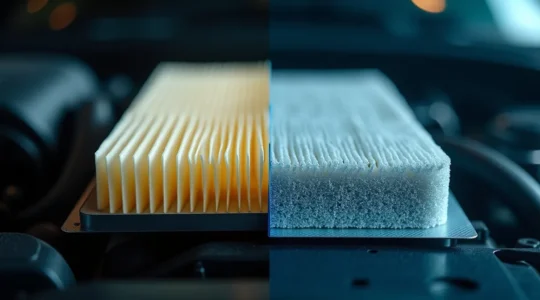
Optimizing your car’s filtration is the single most effective strategy for simultaneously boosting engine performance and protecting passenger health. A restricted air filter directly impacts fuel mixture and consumption, while a clean cabin filter reduces HVAC strain and improves interior…
Read more
The key to a guaranteed Midwest winter start isn’t just a new battery, but systematically eliminating the hidden energy deficits caused by extreme cold. Cold drastically reduces a battery’s chemical ability to deliver power, losing up to 60% of its…
Read more
Contrary to popular belief, the TPMS light is not just a low-pressure alarm; it’s the most visible signal from a sophisticated diagnostic system you can use to proactively monitor vehicle health. Temperature, load, and even tire choice create pressure dynamics…
Read more
In summary: Your car’s fluids obey physical and chemical laws; understanding them is key to proper maintenance. Fluid levels change with temperature (thermal expansion), so checking them correctly is crucial. Mixing incorrect fluid types can cause irreversible chemical damage, not…
Read more
Catastrophic engine failure from heat is rarely sudden; it’s the final, predictable stage of a systemic thermal cascade that sends subtle warning signals long before total destruction. Standard gauge checks often miss the earliest pre-failure indicators, which manifest as unique…
Read more
Worried a strange noise or clumsy shift means a $4,000 transmission bill? It often doesn’t. Learn to perform “fluid forensics” by interpreting color and smell to gauge urgency. Understand why even a minor leak can trigger a catastrophic failure if…
Read more
The key to stopping disruptive vehicle downtime isn’t just fixing things faster; it’s preventing them from breaking in the first place with a data-driven system. Calculate the true cost of inaction, including lost revenue and driver wages, to justify investment…
Read more
The real difference between OEM and aftermarket isn’t just price—it’s managing the risk of ‘cascading failures’ where a cheap part causes expensive, system-wide damage. High-risk electronics (sensors) demand OEM to prevent costly misdiagnoses (‘diagnostic ghosts’). Low-risk components (body panels, mirrors)…
Read more
You can significantly improve your classic vehicle’s fuel efficiency by restoring its original mechanical precision, not by detuning it or changing its character. Focus on data from the engine itself (fuel trims) to diagnose hidden inefficiencies. Reduce parasitic drag through…
Read more